Is Teotihuacan safe for tourists?
The question people are really asking is about Mexico, not about the site. Here is a straight answer to both halves.
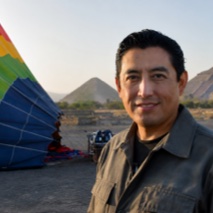 By Alejandro Ramírez, Teotihuacan hot air balloon specialist and experience guide
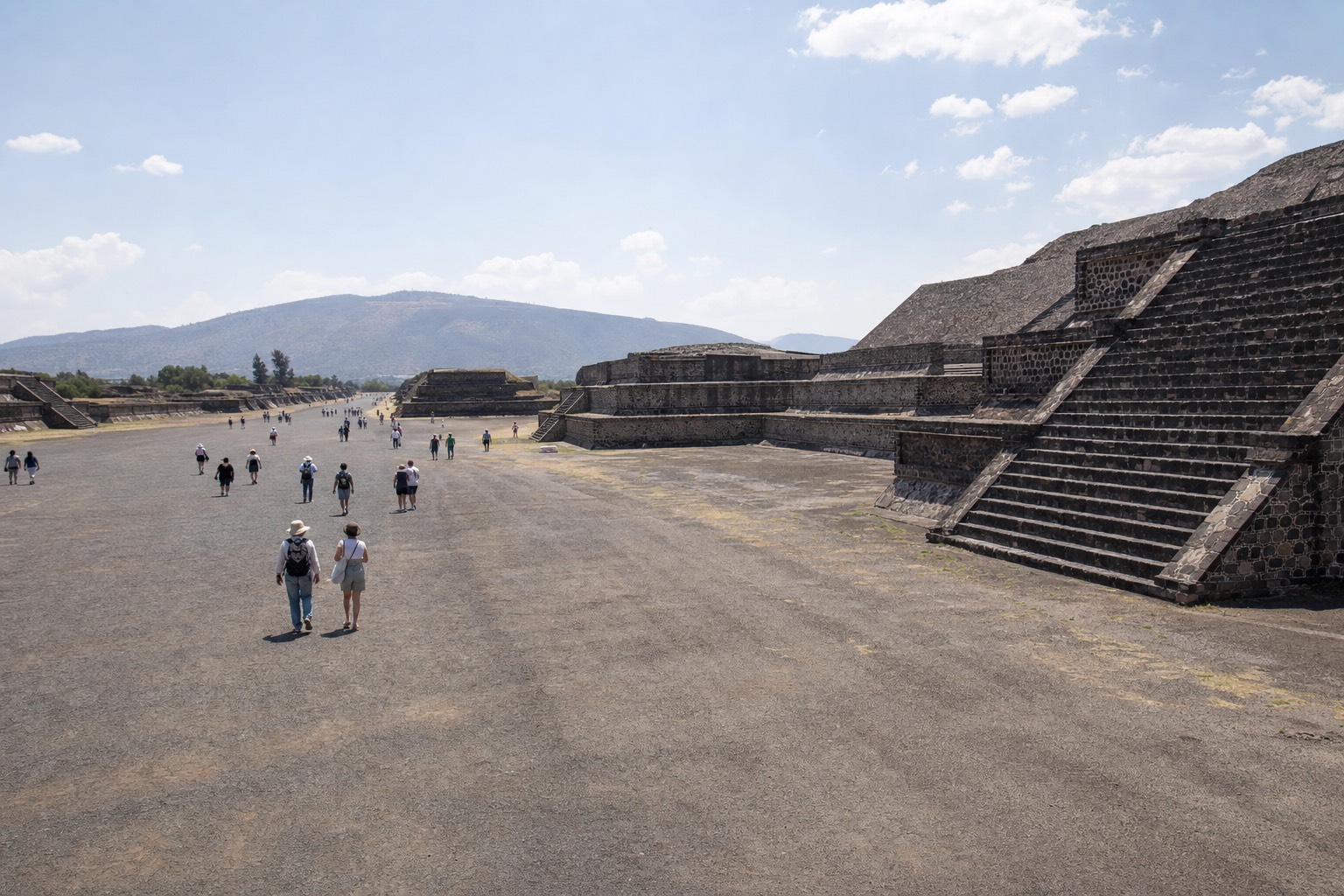
Short answer
The archaeological zone itself is one of Mexico's most visited sites, staffed by INAH during its 08:00 to 17:00 opening hours, and the practical risks there are sun, altitude and dehydration rather than crime. The genuine things to manage on a Teotihuacan day are transport, particularly a pre-dawn journey from Mexico City, and ordinary opportunistic theft in crowded spots. Booking transport through a tour or an official service, rather than flagging a car at 4:30 a.m., removes most of it.
"Is it safe to visit Teotihuacan, Mexico?" is one of the most-asked questions about the site, and it is usually standing in for a broader question about travelling in Mexico at all. Both deserve an answer that is neither a shrug nor a scare.
The site itself
| Visitor volume | The most visited archaeological site in Mexico |
|---|---|
| Managed by | INAH, with staff on site during opening hours |
| Opening hours | 08:00 to 17:00, last access 16:30 |
| Main practical risks | Sun exposure, dehydration, altitude at 2,121 m, uneven stone underfoot |
| Crime risk on site | The ordinary risk of any busy tourist attraction: opportunistic theft in crowds |
| Climbing hazard | Removed, since the pyramid staircases are closed |
During opening hours the zone is busy, patrolled and full of other visitors. The realistic hazards are the ones people underestimate rather than the ones they fear: two kilometres of unshaded walking at altitude, sun that is stronger than it feels at 2,121 metres, and stone surfaces that turn an ankle if you are looking at your phone.
The part that actually needs planning: transport
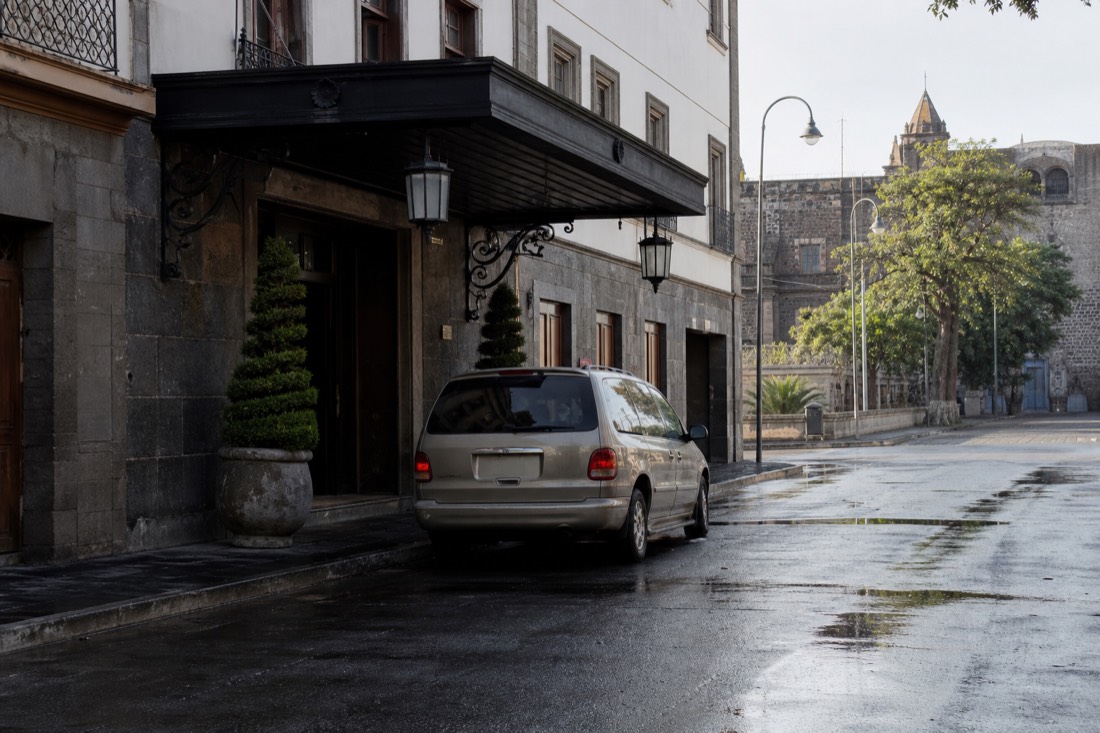
Here is the honest risk on a balloon day, and it has nothing to do with the pyramids. A dawn flight means being collected between roughly 4:20 and 5:10 a.m. and travelling 50 km in the dark.
Doing that on a tour van with a scheduled pickup from your hotel is a solved problem. Doing it by flagging a taxi in the street at half past four in the morning is not, and it is the one part of this day where we would tell you to spend the money.
If you are booking direct with a Mexican operator to save on the flight, price in a pre-arranged car through your hotel or a ride-hailing app rather than assuming you will find something. The cost guide works through whether the saving survives that. The packages with hotel pickup exist precisely because this is the awkward bit.
Ordinary precautions that apply
Nothing exotic, and nothing specific to Mexico:
- Agree fares before getting in a car, or use an app where the price is fixed in advance.
- Keep valuables inside a zipped bag, particularly at gates, in the car park and around the vendor stalls where crowds bunch.
- Do not leave anything visible in a parked car at the zone.
- Use official gates. People will offer you shortcuts and "special" access. There is no special access.
- Carry small notes. Splitting a large note with a vendor or a driver at six in the morning is friction you do not need.
The vendors
You will be approached, repeatedly, by people selling obsidian objects, jaguar whistles and blankets, both on the site and around the gates. This is not a safety issue. It is persistent commerce in a place with a lot of foot traffic and few other livelihoods.
A clear "no, gracias" and continued walking works. Buying one thing early does not stop the rest. If you want obsidian, the workshop stop on some tours is a more comfortable setting for it, at higher prices.
Health, which is the underrated part
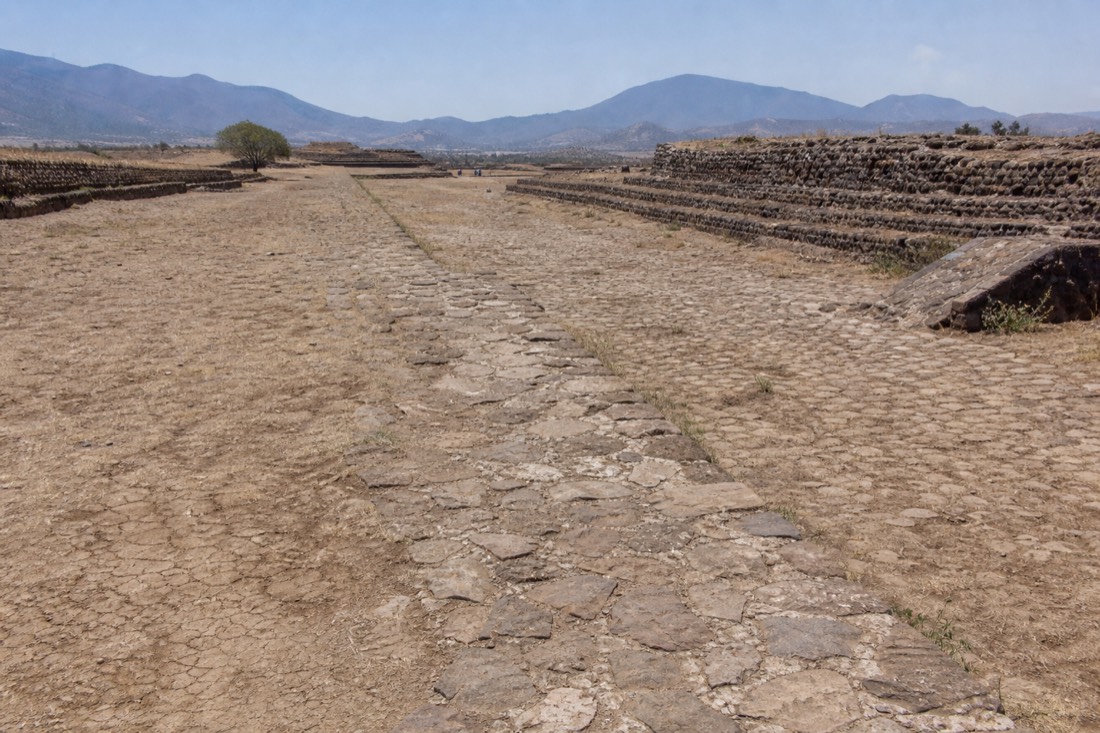
Two things get more people than anything else at Teotihuacan.
Altitude. The valley floor is 2,121 metres. If you have flown into Mexico City in the last day or two you are not acclimatised, and climbing plaza steps will leave you more breathless than seems reasonable. Slow down rather than pushing through.
Sun and dehydration. There is almost no shade on the Avenue of the Dead and the site is fully exposed between about ten and four. Water, a hat, sunscreen. This is genuinely the thing that ruins visits.
If you are flying, the age and eligibility rules cover the medical side of the balloon itself, including the standing requirement and the weight limit.
What official sources say
Government travel advice for Mexico is issued state by state rather than nationally, and the State of Mexico, where Teotihuacan sits, is assessed separately from other parts of the country. Advisory levels change, so check your own government's current advice for the State of Mexico before you travel rather than relying on a page written at some point in the past. That applies to this page too.
On the one risk that is genuinely specific to a balloon morning, the pre-dawn journey, the fix is a booking rather than a precaution: the flights with hotel pickup exist because nobody should be flagging a car in the street at half past four.
A pre-trip checklist
| Before you go | Check your government's current State of Mexico advisory; screenshot your booking confirmations; agree your pickup time and neighbourhood in writing |
|---|---|
| The morning of | Small notes for tips and vendors; valuables in a zipped bag; phone charged with the operator's contact number saved |
| At the site | Water, sunscreen, a hat; keep bags zipped in crowded areas near the gates |
| Getting home | Agree a fare or use an app with fixed pricing rather than negotiating on the street |
What actually happens if your pickup driver is late
This is the scenario people worry about most and plan for least.
| Within the grace period (~5 minutes) | Normal. Stay where you were told to wait. |
|---|---|
| Past the grace period, no contact | Call or message the operator immediately using the number on your confirmation, not a number found online |
| No response after several minutes | Contact the platform (GetYourGuide or Viator) through the app; both have same-day support for exactly this situation |
| You are genuinely missed | Most platforms will rebook or refund a confirmed no-show that was the operator's fault; keep your message timestamps as evidence |
Precaution against actual risk level
Not every worry deserves the same amount of attention. Here is a rough sense of proportion.
| Concern | Actual risk level | Worth planning for? |
|---|---|---|
| Pickpocketing in crowds near the gates | Low to moderate, as at any busy attraction | Yes, zip bags, stay aware |
| Sun and dehydration on the avenue | High if unprepared | Yes, water and a hat are not optional |
| Altitude effects | Moderate for recent arrivals | Yes, pace yourself the first day or two |
| Violent crime targeting tourists at the site | Very low; the zone is staffed and heavily visited | Standard precautions are enough |
| An unreliable pre-dawn taxi | The most realistic disruption on a balloon day | Yes, use a booked tour or a pre-arranged car |
Read across that table and the pattern is clear: the genuine risks at Teotihuacan are logistical and environmental rather than criminal. Sunburn, dehydration and a missed pickup have ended more balloon mornings than anything else on this list, and all three are entirely within your control to prevent.
That is a more boring answer than the question usually gets, and it is the honest one. Travellers arrive braced for a risk that rarely materialises and unprepared for the one that reliably does: standing in direct sun on an exposed stone avenue for several hours with no shade to retreat to.
Safety questions
Is it safe to visit Teotihuacan?
The archaeological zone is Mexico's most visited site, staffed by INAH during its 08:00 to 17:00 opening hours and busy with other visitors. The practical risks there are sun, altitude and uneven ground rather than crime. The part that needs planning is transport, particularly a pre-dawn journey from Mexico City for a balloon flight.
Is it safe to travel from Mexico City to Teotihuacan at 4am?
On a scheduled tour van with a hotel pickup, yes, and that is what most balloon packages provide. Flagging a taxi in the street at half past four in the morning is the version we would avoid. If you are booking a flight-only ticket, pre-arrange the car rather than improvising.
Is Teotihuacan safe for solo travellers?
Yes, with the same precautions that apply at any busy site: valuables zipped away, official gates, fares agreed in advance. A tour with hotel pickup solves the transport question, which is the main solo-specific concern on a dawn start.
Are the vendors a problem?
They are persistent rather than threatening. You will be approached repeatedly on and around the site by people selling obsidian and souvenirs. A firm "no, gracias" and continuing to walk is the standard response.
What is the biggest actual risk at Teotihuacan?
Sun and altitude. The site is two kilometres of unshaded stone at 2,121 metres and it exposes anyone who has not brought water, a hat and some patience with their own pace. Far more visits are spoiled by that than by anything else.
Do I need travel insurance for a Teotihuacan balloon flight?
The operators themselves carry the legally required passenger insurance for the flight. Personal travel insurance is a separate, sensible precaution for the wider trip, covering things like flight delays, lost luggage or medical care unrelated to the balloon itself, and is worth arranging regardless of which activities are on your itinerary.